
Being locked out of your home, car, or business is one of those experiences that can instantly turn a good day into a stressful situation. Whether it's 3 PM or 3 AM, emergency locksmith services exist to help you regain access quickly and safely. At Greenville Pro Locksmith, located at 302 McAlister Rd, Greenville, SC 29607, we understand that lock and key emergencies don't wait for convenient times. That's why we've prepared this comprehensive guide to help you understand everything about emergency locksmith services, so you'll know exactly what to expect when you need help most.
What Qualifies as a Locksmith Emergency?
Not every locksmith situation requires emergency services, but knowing the difference can save you time and money. A locksmith emergency typically involves scenarios where immediate access is necessary for safety, security, or urgent practical reasons.
Common emergency situations include being locked out of your home late at night, especially in inclement weather or when children or pets are inside. Vehicle lockouts are another frequent emergency, particularly when they occur in unsafe locations or when you're running late for critical appointments. Business lockouts can constitute emergencies when they prevent you from opening for customers or accessing time-sensitive materials.
Security breaches definitely qualify as emergencies. If you've experienced a break-in attempt, noticed signs of lock tampering, or had keys stolen, you need immediate locksmith assistance to re-secure your property. Similarly, malfunctioning locks on main entry points that leave your property vulnerable require urgent attention.
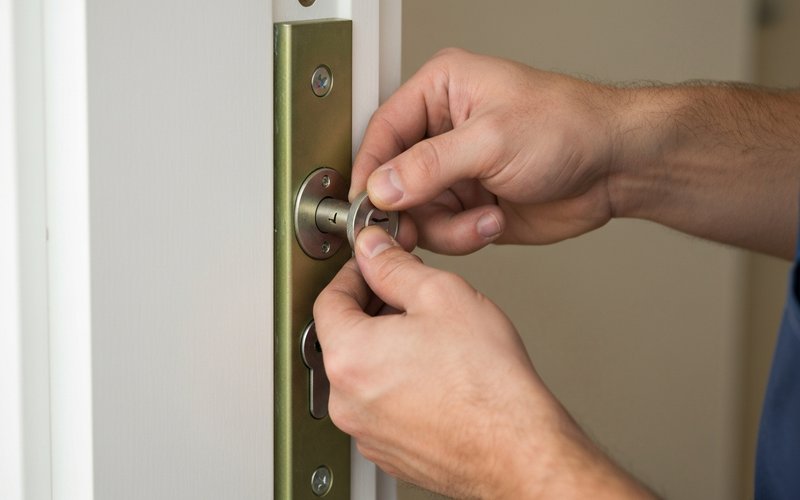
Broken keys stuck in locks, especially in doors that can't be left unsecured, constitute emergencies that demand professional intervention. The same applies when electronic access systems fail, leaving you unable to enter or exit safely.
Understanding 24/7 Emergency Locksmith Response
True emergency locksmith services operate around the clock, every day of the year. This availability is crucial because lock and key problems don't respect business hours, weekends, or holidays. When you call an emergency locksmith, you should receive an immediate response, even if it's in the middle of the night.
Response times vary depending on location, traffic conditions, and the locksmith's current workload, but most reputable emergency locksmiths in Greenville aim to arrive within 20-30 minutes of your call. During your initial phone conversation, the dispatcher should provide you with an estimated arrival time and keep you updated if circumstances change.
A professional emergency locksmith will arrive fully equipped to handle most common lock and key situations. Their vehicle should be stocked with a comprehensive inventory of tools, replacement locks, key blanks, and specialized equipment. This preparation allows them to resolve most emergencies on the spot without needing to leave for additional supplies.
When the locksmith arrives, they should present proper identification and business credentials. Don't hesitate to verify their identity before allowing them to begin work, especially during nighttime calls. Legitimate locksmiths expect and respect this precaution.
Can a Locksmith Make a Key Without the Original?
This is one of the most frequently asked questions we receive, and the answer is yes—professional locksmiths can absolutely create keys without the original. This capability is essential for emergency services, as many lockouts occur precisely because the original key has been lost, broken, or stolen.
Locksmiths use several methods to create keys without originals. One common technique is code cutting, where the locksmith uses the lock's code to create a new key that matches the internal pin configuration. Many locks have code numbers stamped on them, which skilled locksmiths can use to cut accurate keys.
Another method involves impressioning, where the locksmith inserts a blank key into the lock and carefully manipulates it to create marks that indicate where cuts should be made. This process requires significant skill and experience but produces accurate results.
For more complex situations, locksmiths may disassemble the lock to examine the pin configuration directly, then cut a key to match those specific measurements. Modern locksmiths also use specialized software and key-cutting machines that can determine the correct key pattern through various analytical methods.
For vehicles, locksmiths can often obtain key codes using the Vehicle Identification Number (VIN), allowing them to create perfectly matched keys even when all originals are lost. This service is invaluable for car owners who've lost their only key.
What Do Locksmiths Usually Do Repairs To?
Understanding the full scope of locksmith repairs helps you know when to call for professional assistance. Locksmiths routinely repair residential door locks of all types, including deadbolts, knob locks, lever handle locks, and smart locks. They can fix mechanisms that have become stiff, misaligned, or partially broken, often restoring full functionality without requiring complete replacement.
Commercial lock systems represent a significant portion of locksmith repair work. These include panic bars, magnetic locks, electric strikes, and complex access control systems. Business owners depend on these security features functioning reliably, making prompt repairs essential.
Automotive lock repairs cover everything from traditional car door locks to modern keyless entry systems. Locksmiths repair broken ignition cylinders, damaged door lock mechanisms, and malfunctioning trunk locks. They also address issues with key fobs and transponder key systems.
Safe repairs and servicing constitute specialized locksmith work. Whether it's a jammed safe combination, broken handle, or malfunctioning electronic keypad, professional locksmiths have the expertise to diagnose and repair these security devices without causing damage.
Window locks, sliding door locks, and cabinet locks all fall within the locksmith's repair domain. Even padlocks, mailbox locks, and gate locks can be serviced by skilled locksmiths when they malfunction.
Door frame and strike plate repairs often accompany lock work, as proper alignment is crucial for security and smooth operation. Locksmiths can repair damaged strike plates, reinforce door frames, and correct alignment issues that prevent locks from engaging properly.
What Will Locksmiths Usually Do During an Emergency Call?
When you call for emergency locksmith services, the process follows a predictable pattern designed to resolve your situation efficiently and professionally. Understanding this process helps reduce anxiety during already stressful situations.
First, the locksmith will assess your specific situation over the phone. They'll ask questions about the type of lock, the nature of the problem, and your location. This information helps them arrive prepared with the right tools and materials.
Upon arrival, they'll verify your identity and right to access the property. For residential properties, you'll typically need to provide identification showing your address. For vehicles, you'll need to provide registration, title, or other proof of ownership. This verification protects everyone involved and prevents unauthorized access.
The locksmith will then examine the lock and explain their proposed solution. Professional locksmiths prioritize non-destructive entry methods whenever possible, attempting to pick or manipulate the lock before resorting to drilling or other invasive techniques. They should explain the process and get your approval before proceeding.
During lockouts, most situations can be resolved through skillful lock picking, which leaves the lock fully functional. When that's not possible, the locksmith may need to drill out the lock cylinder, which requires replacement but allows quick access.
After gaining entry, the locksmith will assess whether the lock needs repair or replacement. They'll provide honest recommendations about the most cost-effective solution that maintains your security. If replacement is necessary and you approve, they'll install a new lock and provide you with new keys immediately.
Before leaving, professional locksmiths will test the lock thoroughly, ensure all new keys work properly, and clean up any debris from their work. They'll also provide advice on preventing future lockouts and maintaining your locks.
Emergency Locksmith Costs: What to Expect
Understanding emergency locksmith costs helps you budget appropriately and recognize fair pricing. While specific prices vary by location, service type, and time of day, knowing the general pricing structure prevents surprises.
How much does a locksmith cost in the USA? For emergency services, you should expect to pay more than standard rates due to the immediate response and after-hours availability. Most emergency locksmiths charge a service call fee that covers their travel and immediate response, typically ranging from $75 to $150. This base fee applies regardless of the work performed.
The actual service costs depend on the complexity of your situation. Simple lockouts for standard residential locks typically cost between $50 and $150 for the labor, plus the service call fee. More complex locks, high-security systems, or situations requiring lock replacement increase the cost accordingly.
After-hours services (nights, weekends, holidays) often include surcharges of 50-100% above standard rates. While this may seem steep, it reflects the locksmith's availability to help you at inconvenient times when most businesses are closed.
Vehicle lockouts typically cost more than residential lockouts due to the specialized tools and expertise required. Expect to pay between $100 and $250 for car lockout services, with higher-end vehicles and complex key systems commanding premium prices.
Rekeying services, where the locksmith changes the internal pins so old keys no longer work, typically cost $20-40 per lock cylinder. This option is more economical than complete lock replacement when the lock mechanism itself is undamaged.
Lock replacement costs include both labor and materials. Basic residential deadbolts range from $100-200 installed, while high-security locks can cost $200-500 or more. Commercial-grade locks and access control systems cost significantly more due to their complexity and security features.
Reputable locksmiths provide upfront estimates before beginning work. If they discover complications during the job, they should explain the additional costs and get your approval before proceeding. Avoid any locksmith who refuses to provide pricing information or seems evasive about costs.
What Kind of Keys Cannot Be Copied?
Not all keys can be duplicated freely, and understanding these restrictions helps you plan accordingly. Several categories of keys have duplication limitations for security, legal, or technical reasons.
Patented high-security keys top the list of restricted keys. Manufacturers like Medeco, Mul-T-Lock, and ASSA produce keys with patented designs that can only be duplicated by authorized dealers. The patent protection prevents hardware stores and unauthorized locksmiths from making copies, ensuring you maintain complete control over who has keys to your property.
Keys marked "Do Not Duplicate" or "DND" occupy a gray area. While this stamping doesn't carry legal weight in most jurisdictions, many reputable locksmiths and key-cutting services honor the request as an ethical practice. However, these markings don't provide the same security as truly restricted keyways.
Government and institutional keys often fall under legal restrictions against unauthorized duplication. Keys for post office boxes, certain government facilities, and some commercial properties cannot be legally copied without specific authorization.
Modern car keys with electronic chips or transponders require specialized equipment and programming that many key-cutting services don't possess. While these can be duplicated, the process requires automotive locksmith expertise and specific programming tools.
Some vintage and antique keys are practically impossible to duplicate because the blanks are no longer manufactured, and the lock designs are too unique for standard duplication methods. These require custom fabrication by specialized locksmiths.
Master keys for commercial systems typically have duplication restrictions to maintain the integrity of the master key system. Unauthorized duplication could compromise the entire security hierarchy.
What Proof Do You Need to Get a Key Cut?
Identification requirements for key cutting protect property owners from unauthorized key duplication. Different situations require different levels of proof, and understanding these requirements helps ensure smooth service.
For residential keys to your own home, most locksmiths require photo identification showing your current address matches the property in question. A driver's license, state ID card, or passport combined with a utility bill establishes your right to obtain keys. If you've recently moved and your ID shows your old address, bring a recent utility bill, lease agreement, or mortgage document showing your current address.
Vehicle key duplication requires proof of ownership. Your vehicle registration or title serves as primary documentation. For financed or leased vehicles, bring your lease agreement along with photo ID. If you're getting keys made for someone else's vehicle with permission, you'll need their written authorization plus their registration and your ID.
For rental properties, tenants should bring their lease agreement along with photo identification. Some locksmiths may want to verify with the landlord before duplicating keys, especially for properties with "Do Not Duplicate" keys or restricted keyways.
Business keys often require additional documentation. Business owners should bring business licenses, property deeds or lease agreements, and personal identification. Employees needing keys may need written authorization from the business owner or property manager.
For restricted or high-security keys, you'll need a key card or authorization form provided when the locks were originally installed. These systems are specifically designed to prevent unauthorized duplication, so the documentation requirements are strict.
If you're getting keys made for someone else, even with their permission, many locksmiths won't proceed without the actual key owner being present or providing notarized authorization. This policy protects everyone involved from potential liability.
Choosing a Reliable Emergency Locksmith
Selecting the right emergency locksmith before you need one can save stress during urgent situations. Several factors distinguish professional, trustworthy locksmiths from potential scammers or inexperienced technicians.
Look for locksmiths with established local presences. Physical addresses, not just P.O. boxes, indicate legitimate businesses. Companies with actual storefronts and service areas demonstrate stability and accountability. Greenville Pro Locksmith maintains our location at 302 McAlister Rd, Greenville, SC 29607, providing our customers with confidence in our established presence.
Proper licensing and insurance are non-negotiable. While South Carolina doesn't require specific locksmith licensing, legitimate businesses carry general business licenses, liability insurance, and bonding. These protections ensure you're covered if something goes wrong during service.
Positive reviews and testimonials from real customers provide valuable insight into a locksmith's reliability, professionalism, and pricing fairness. Check multiple platforms including Google, Yelp, and the Better Business Bureau. Look for patterns in reviews rather than focusing on individual comments.
Transparency about pricing separates honest locksmiths from potential scammers. Reputable companies provide estimates over the phone and don't dramatically increase prices upon arrival. They explain costs clearly and get your approval before beginning work.
Professional equipment and clearly marked vehicles indicate established businesses. Locksmiths should arrive in vehicles with company names, logos, and contact information. They should have professional tools and a well-organized inventory of supplies.
Membership in professional organizations like the Associated Locksmiths of America (ALOA) demonstrates commitment to industry standards and continuing education. These affiliations aren't mandatory, but they indicate professionalism.
Preventing Future Lock Emergencies
While emergency locksmiths provide vital services, preventing lockouts and lock problems saves money and stress. Several simple practices significantly reduce your chances of needing emergency assistance.
Maintaining spare keys is the most straightforward prevention strategy. Give copies to trusted family members, friends, or neighbors who live nearby. Consider keeping a spare in your workplace or in a secure hide-a-key device (though these aren't as secure as giving keys to trusted individuals).
Regular lock maintenance prevents many emergency situations. Lubricate locks annually with graphite powder or silicone-based lubricants. Avoid WD-40, which attracts dirt and can gum up lock mechanisms. Test your locks periodically and address any stiffness or difficulty immediately rather than waiting until they fail completely.
Develop mindful habits around keys. Always check for your keys before closing self-locking doors. Create a designated spot at home where you always place your keys. Consider attaching keys to bright or oversized keychains that are harder to misplace.
For vehicles, keep spare keys in your wallet or purse rather than leaving them in the car. Many modern vehicles offer valet keys that provide limited functionality—keep one in your wallet as a backup.
Consider upgrading to smart locks for your home. These electronic locks eliminate physical keys entirely, allowing entry via codes, smartphone apps, or biometric identification. While they represent an investment, they virtually eliminate traditional lockout scenarios.
Inspect and maintain door frames, strike plates, and hinges. Proper alignment prevents locks from binding or becoming difficult to operate. Address any door settling or shifting promptly.
Emergency Locksmith Services for Businesses
Business lockouts and security emergencies have unique considerations that differ from residential situations. Understanding these differences helps business owners respond effectively to lock and key emergencies.
Business lockouts can cost significantly more than just the locksmith's fee. Every minute your business remains closed represents lost revenue, disappointed customers, and potential damage to